
Rainy Washington Roads Keep State Troopers Busy Today
Rain returned to the South Sound this Tuesday afternoon, and it didn’t take long for traffic trouble to follow.

Tacoma Freeway, Washington State Patrol troopers reported multiple blocking collisions along I-5 and State Route 16 with steady rain moving through the area. This is nothing new for Western Washington, with wet pavement, reduced visibility, and traffic suddenly at a standstill. Those who forgot were reminded in the worst way.
Wet Washington Weather Is More Dangerous Than It Looks
Troopers warned drivers that even routine rain amounts on roadways can change how our vehicle behaves. Slowing down, increasing following distance, and making sure your car is ready for rain can make a real difference when conditions turn suddenly slick.
The AAA Washington says the most dangerous time on wet roads is often the first few minutes of a downpour. That is because oil and debris rise to the surface of the water before washing away, creating extra-slick conditions. Worn wiper blades, dirty headlights, and under-inflated tires can all contribute to making the issues even worse. In the rain, visibility and traction drop fast, adding even more danger if not prepared.
AAA recommends keeping your windows and windshields as clean as possible. Replace your windshield wipers regularly, and use low-beam headlights so others can see you. High beams can also blind you and other drivers around you with the light reflecting off the suspended water in the air.
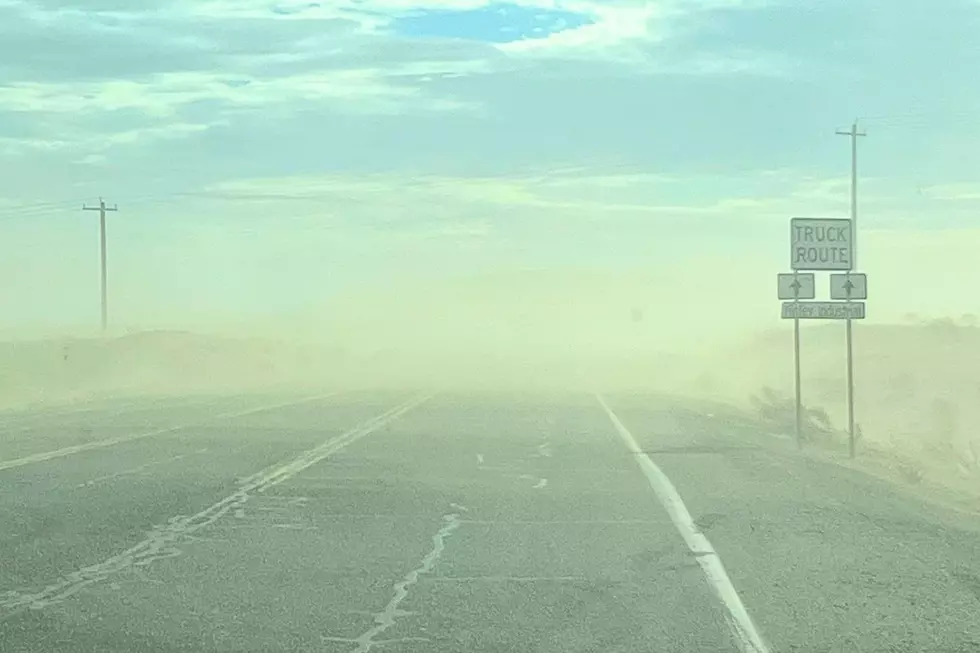
If visibility gets so bad that you can’t see the edge of the roadway or nearby vehicles, it’s time to exit and wait it out safely, but parking on the shoulder puts you at serious risk of being hit. Make sure you park OFF the highway after taking the nearest exit.
Slowing Down Is the Best Tool You Have
Wet roads reduce traction, increase stopping distance, and raise the risk of hydroplaning. Cruise control in the rain can cause vehicles to lose control suddenly, and is much safer to be completely off. Make sure you are braking gently with plenty of space ahead, up to 20 or 30 seconds of following distance in slippery conditions.
If your vehicle starts to skid, just stay calm, steer where you want to go, and avoid sudden braking until you regain control. Rainy weather may be normal here, but crashes don’t have to be. A little patience and preparation can help keep everyone moving and safe.
Read More: That's Not Tint! Washington State Trooper Tickets Soot-Covered VW
Read More: Car Cuddle? Rear-End Romance on I-5 Leaves Drivers Unhappy
These Deliciously Retro Food Photos Will Make You Hungry for the '70s
Gallery Credit: Stephen Lenz
More From 97.1 KXRX